
Top 5 Reasons Why Your Business Needs a CRM
In today's competitive business landscape, managing customer relationships effectively is no longer optional—it's essential. Whether you're a small business owner, a retailer, a service provider, or a growing enterprise, keeping track of customer interactions, sales enquiries, and follow-ups can quickly become overwhelming.
Many businesses still rely on spreadsheets, notebooks, WhatsApp chats, or scattered email conversations to manage customer information. While these methods may work initially, they often become inefficient as your business grows.
This is where a Customer Relationship Management (CRM) software becomes a game changer.
A CRM helps businesses organize customer data, automate follow-ups, improve sales processes, and make informed decisions using real-time insights.
In this article, we'll explore the top five reasons why your business needs a CRM and how it can help you build stronger customer relationships while driving sustainable business growth.
What is CRM?
Understanding Customer Relationship Management
CRM stands for Customer Relationship Management. It is a software solution that helps businesses manage interactions with prospects and existing customers from a single centralized platform.
Instead of keeping customer information across multiple spreadsheets or messaging apps, a CRM stores everything in one place, including:
- Customer contact information
- Sales enquiries
- Follow-up history
- Meeting notes
- Quotations
- Tasks
- Sales pipeline
- Customer communication
A modern CRM not only stores data but also helps automate routine tasks, improve collaboration, and provide valuable business insights.

1. Never Miss a Sales Opportunity
One of the biggest reasons businesses lose potential customers is poor follow-up.
Imagine receiving ten enquiries every day through your website, WhatsApp, Facebook, or phone calls. Without a structured system, it's easy to forget who needs a callback, who requested a quotation, or who is ready to make a purchase.
A CRM ensures every enquiry is recorded and tracked until it reaches a conclusion.
Benefits
- Centralized lead management
- Automated follow-up reminders
- Better sales tracking
- Improved response time
- Higher conversion rates
Businesses that consistently follow up with leads are far more likely to convert prospects into paying customers.
2. Build Stronger Customer Relationships
Customer experience has become one of the biggest competitive advantages for modern businesses.
People expect quick responses, personalized communication, and consistent service.
A CRM gives your team complete visibility into every customer interaction. Instead of asking customers to repeat the same information multiple times, your team can instantly access previous conversations, purchases, enquiries, and support requests.
A CRM helps you
- Personalize customer communication
- Respond faster
- Improve customer satisfaction
- Increase customer retention
- Build long-term relationships
Happy customers are more likely to recommend your business to others.
3. Improve Team Productivity
As businesses grow, teamwork becomes increasingly important. Without a centralized system, employees often waste valuable time searching through emails, spreadsheets, WhatsApp chats, or handwritten notes. A CRM keeps everyone on the same page.
Sales teams, customer support staff, and managers can all access the same information in real time.
This leads to
- Better collaboration
- Reduced manual work
- Faster task completion
- Improved accountability
- Higher operational efficiency
Instead of spending time searching for information, your team can focus on serving customers and closing more deals.
4. Make Better Business Decisions with Real-Time Reports
Business decisions should be based on data—not guesswork.
A CRM provides valuable reports and dashboards that help you understand what's happening inside your business.
You can quickly answer questions like:
- Which products generate the most enquiries?
- Which salesperson closes the most deals?
- Which marketing campaign generates quality leads?
- How many follow-ups are pending?
- What is your sales conversion rate?
These insights help business owners identify opportunities, improve processes, and make smarter decisions.
5. Scale Your Business with Confidence
- The systems that work for a small business may not work as your customer base grows.
- As your business expands, managing hundreds or thousands of customer interactions manually becomes almost impossible.
- A CRM grows with your business.
- It helps you standardize processes, automate repetitive tasks, and maintain consistency across your team.
- Whether you're adding new employees, opening another branch, or expanding into new markets, a CRM provides the structure needed to scale efficiently.
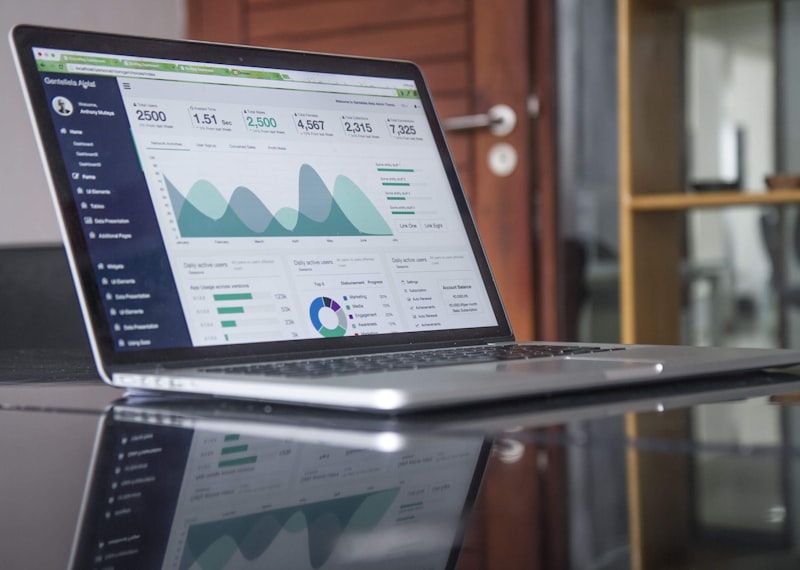
Signs Your Business Needs a CRM
If you answer "Yes" to any of these questions, it may be time to consider a CRM solution.
- Are customer details stored in multiple places?
- Do you sometimes miss follow-ups?
- Is your sales pipeline difficult to track?
- Does your team rely heavily on spreadsheets?
- Do you struggle to generate business reports?
- Is customer information scattered across WhatsApp, Excel, and emails?
- Do you want to improve customer experience?
If these challenges sound familiar, implementing a CRM could significantly improve your business operations.
Choosing the Right CRM Software
Not every CRM is suitable for every business.
When selecting a CRM, consider features such as:
Essential Features:
- Lead Management
- Contact Management
- Sales Pipeline
- Follow-up Reminders
- Task Management
- Reporting Dashboard
- Mobile Access
- Team Collaboration
- Data Security
- Integration with your existing workflow
The best CRM is one that matches your business processes instead of forcing you to change the way you work.
How PSP Softech Can Help
At PSP Softech, we understand that every business has unique workflows and operational challenges.
Our CRM solutions are designed to help businesses organize customer information, streamline sales processes, automate follow-ups, and improve team productivity.
Whether you're a startup, retailer, distributor, service provider, or growing SME, we can help you choose and implement a CRM solution that fits your business requirements.
Final Thoughts
Technology alone doesn't grow a business.
Well-defined processes, supported by the right technology, do.
A CRM is more than just software—it's a strategic investment that helps you build stronger customer relationships, improve operational efficiency, and make better business decisions.
As your business grows, the ability to manage customer interactions efficiently becomes a key competitive advantage.
If you're still relying on spreadsheets and manual follow-ups, now may be the perfect time to evaluate whether your business is ready for a CRM.
Frequently Asked Questions (FAQ)
Is CRM only for large businesses?
No. CRM software is beneficial for businesses of all sizes, including startups, retailers, service providers, and SMEs.
Can a CRM improve sales?
Yes. By organizing leads, tracking follow-ups, and providing better visibility into the sales pipeline, a CRM can help improve sales performance.
What industries use CRM software?
Almost every industry can benefit from CRM software, including retail, healthcare, education, manufacturing, real estate, IT services, consulting, finance, and professional services.
Is CRM better than Excel?
Excel is excellent for organizing data, but it isn't designed to manage customer relationships, sales pipelines, automated follow-ups, or collaboration between teams. A CRM provides these capabilities in one centralized system.